If D.C.'s crime numbers were obfuscated to make the city look safer, residents deserve more than personnel shakeups. They deserve the truth.
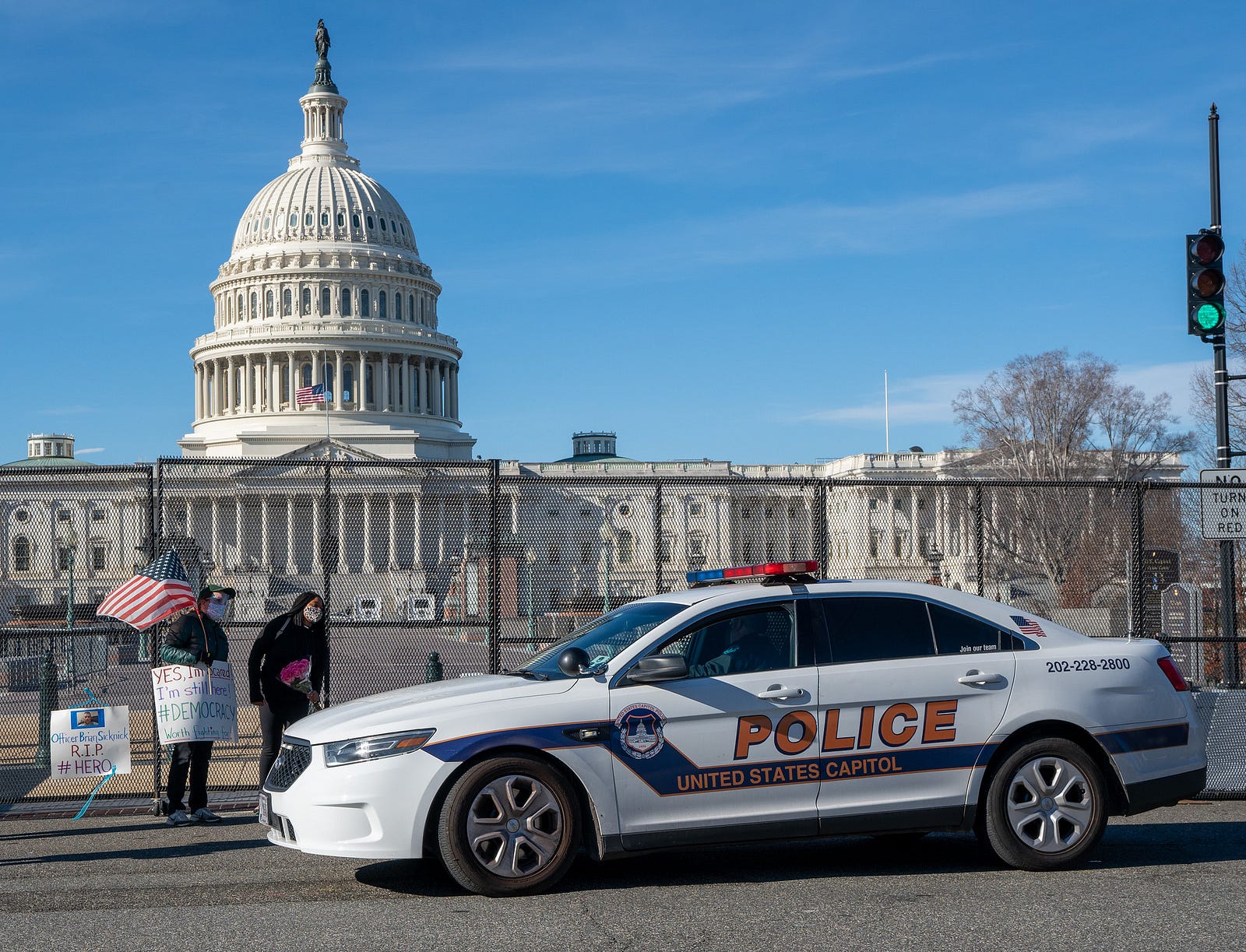
Washington, D.C., has spent the last year telling residents a comforting story: crime is down, the city is getting safer, and the worst of the post-pandemic crime surge is behind us.
Maybe some of that is true. But truth is sometimes cleverly used to disguise lies.
Homicides are harder to hide than other crimes. Shootings leave hospital records. Carjackings, robberies, burglaries, and assaults are also real-world events that leave victims behind. Some categories probably have improved from the terrible spike D.C. saw in 2023.
But the latest reports out of the Metropolitan Police Department make it very difficult to take the city’s public crime statistics at face value.
Multiple high-ranking D.C. police officials have reportedly been served papers saying the department intends to fire them. At least some of the proposed terminations are connected to an investigation into the manipulation of crime data. That is not a small personnel issue. That is not office politics. That goes directly to whether the public was given an honest picture of public safety in the nation’s capital.
For months, there have been rumors and scattered reports suggesting D.C. officials were manipulating crime statistics to make the numbers look better. The allegation was not necessarily that crimes were simply erased. It was more subtle than that. Certain crimes may have been classified or reclassified in ways that kept them out of the public-facing crime totals.
That is how a burglary can become something else. That is how an assault with a dangerous weapon can be treated differently. That is how a serious incident can vanish from the category ordinary residents are watching.
Most people do not know the internal coding system of a police department. They know whether they feel safe walking to the Metro. They know whether their car was broken into. They know whether their neighbor was robbed. They know whether local businesses are locking up toothpaste and laundry detergent. They know whether people are quietly changing their routines because the official line does not match what they are seeing.
This is why crime statistics have to be trustworthy. They are not just numbers on a dashboard. They influence where people live, where they open businesses, whether tourists come, whether parents let their teenagers ride public transit, and whether residents believe their leaders are leveling with them.
The most troubling part is that this controversy now has several different layers. There was an internal affairs investigation inside MPD. There was a federal review that reportedly found significant misclassification, though not enough to bring criminal charges. There has been congressional scrutiny. The D.C. inspector general has also opened a review of how MPD collects, classifies, and reports crime data.
That is a lot of smoke.
And it is no longer enough for city officials to say crime is down and move on. They need to explain what was wrong, who knew about it, how long it was happening, and whether the public numbers need to be corrected.
Because if the numbers were massaged, even partly, the city has a bigger problem than bad data. It has a trust problem.
Residents have already been through years of official happy talk on crime. They have heard that their concerns were exaggerated. They have been told that fear was political. They have watched national arguments over D.C. crime turn into another left-right brawl, where the actual people living with the consequences get lost.
But this should not be a partisan question.
If crime is truly down, city leaders should want clean numbers to prove it.
If crime was misclassified, city leaders should want to fix the system before anyone else is misled.
If commanders were pressured to make the numbers look better, residents deserve to know whether that pressure came from inside the police department, from political leadership, or from a broader culture where good statistics became more important than accurate statistics.
This is what happens when metrics become the mission. Once everyone is judged by a few headline numbers, people inside the system learn which numbers are supposed to improve. A police department should never be run like a public relations firm. Its job is not to produce the prettiest dashboard. Its job is to tell the truth about crime, respond to victims, and make the city safer.
D.C. officials still have a chance to handle this correctly. They can release as much information as legally possible. They can allow an independent audit. They can show residents both the public crime categories and the broader federal-style reporting numbers. They can explain the difference between an honest classification dispute and a deliberate downgrade.
But they cannot expect people to accept another round of vague assurances.
Washingtonians are not stupid. They know the difference between a safer city and a city that has gotten better at describing crime differently.
If D.C.’s crime decline is real, prove it with transparent numbers.
If it was padded, admit it.
And if anyone in city government pressured police officials to make the statistics look cleaner than the streets felt, then the personnel shakeups should be only the beginning.
(Contributing writer, Brooke Bell)